
What Is a Bitcoin Wallet? Hot, Cold, and Custodial Wallets Explained

Ashir Khan writes about cryptocurrency security, self-custody, macro market analysis, and regulatory policy at CryptoBeacon.
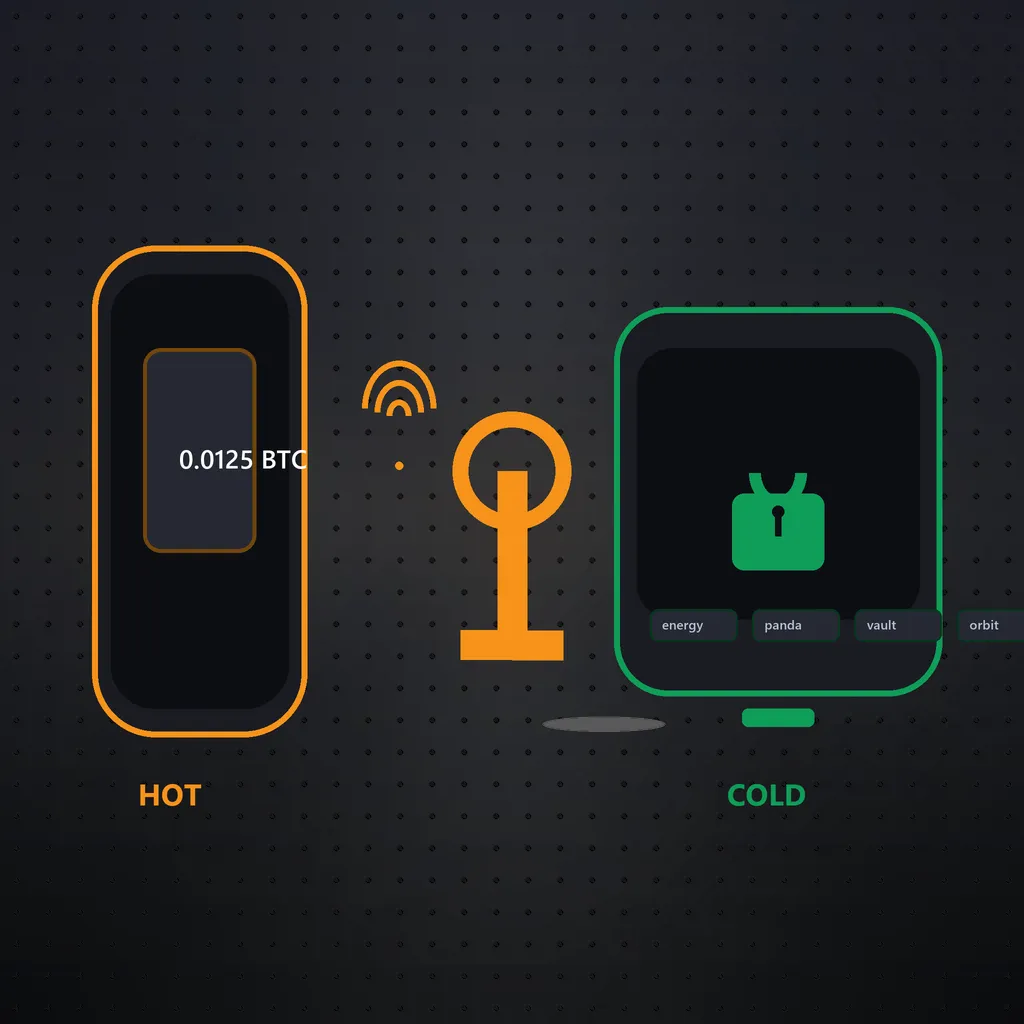
"Bitcoin wallet" is one of those terms that sounds straightforward until you try to explain it. A wallet doesn't hold Bitcoin the way a physical wallet holds cash. Understanding what it actually does — and why there are so many different types — makes everything else about using Bitcoin clearer.
This article is educational. It isn't financial advice.
Hot Wallet
Online, convenient for daily use. Higher exposure to threats.
Cold Wallet
Offline, best for long-term storage. Keys never touch the internet.
Custodial
Third party holds keys. Easiest to use but carries counterparty risk.
1. What a Wallet Actually Does
Bitcoin itself never moves — it exists as a record on the blockchain, a public ledger that anyone can read. What changes is which address the Bitcoin is associated with. A Bitcoin wallet's real job is to store and manage the private key — the cryptographic secret that proves you have the right to authorise a transaction from a given address.
Think of your Bitcoin address as an account number you can share freely, and your private key as the only signature that can authorise spending from it. If you lose the private key, you lose access to the Bitcoin permanently. If someone else gets it, they can move your Bitcoin without your permission.
This is why the phrase "not your keys, not your coins" matters — it's a direct description of how wallet ownership actually works.
2. Three Types of Bitcoin Wallet
Wallets are most usefully divided by two factors: whether they're connected to the internet, and who controls the private keys.
Hot Wallet
Software / OnlineConnected to the internet. Convenient for regular use and small amounts. Mobile apps, browser extensions, and desktop wallets all fall into this category.
Higher convenience, higher online exposure
Cold Wallet
Hardware / OfflineKeys are stored offline on a dedicated physical device or paper. Better suited for long-term storage of significant amounts you don't need to access frequently.
Lower convenience, lower online exposure
Custodial Wallet
Exchange / PlatformManaged by a third party (usually an exchange). You don't hold the private keys — the platform does. Convenient, but your access depends on the platform's continued operation.
Easiest to use — you don't control the keys
3. Which Type Is Right for You?
There's no single right answer — most experienced Bitcoin holders use a combination. A practical starting framework:
- If you're new and just buying small amounts to learn with, an exchange or reputable mobile hot wallet is reasonable. The trade-off is that you're trusting the platform (exchange) or accepting more online exposure (hot wallet).
- If you're holding a meaningful amount long-term and don't need to access it regularly, a hardware cold wallet significantly reduces your exposure to online threats. The trade-off is physical security of the device and safe storage of your seed phrase.
- If you're actively trading or using Bitcoin regularly, a hot wallet offers the convenience needed for frequent access, ideally with only the amount you're actively using rather than your full holdings.
For a more detailed comparison of the exchange vs. personal wallet decision, see our exchange vs. personal wallet guide.
Frequently Asked Questions
Does a Bitcoin wallet store Bitcoin?
No — Bitcoin itself lives on the blockchain. A wallet stores the private keys that prove ownership and allow you to sign transactions moving those funds.
What's the difference between a hot and cold wallet?
A hot wallet is connected to the internet (e.g. a mobile or desktop app), which makes it more convenient but more exposed to online threats. A cold wallet stores keys offline (e.g. a hardware device or paper), reducing that exposure at the cost of some convenience.
Is it safe to keep Bitcoin on an exchange?
An exchange holds your Bitcoin on your behalf using a custodial wallet — you don't control the private keys. This is convenient but means your access depends on the platform's security and continued operation.
Can I have multiple Bitcoin wallets?
Yes — and many people do, using different types for different purposes: a hot wallet for small, regular amounts and a cold wallet for long-term holdings.
Conclusion
A Bitcoin wallet is fundamentally a key management tool. The type you choose — hot, cold, or custodial — determines who controls those keys and how exposed they are to online threats. Getting this decision right for your situation is one of the most practical things you can do as a Bitcoin holder.
Sources
- Bitcoin.org — Choose Your Wallet (overview of wallet types and recommendations)
- Bitcoin Wiki — Wallet (technical overview of how Bitcoin wallets work)
Financial Disclaimer
This article is for informational and educational purposes only and should not be considered financial or investment advice. Past performance is not indicative of future results.