
Why Do Governments Regulate Cryptocurrency? Global Frameworks & User Impact
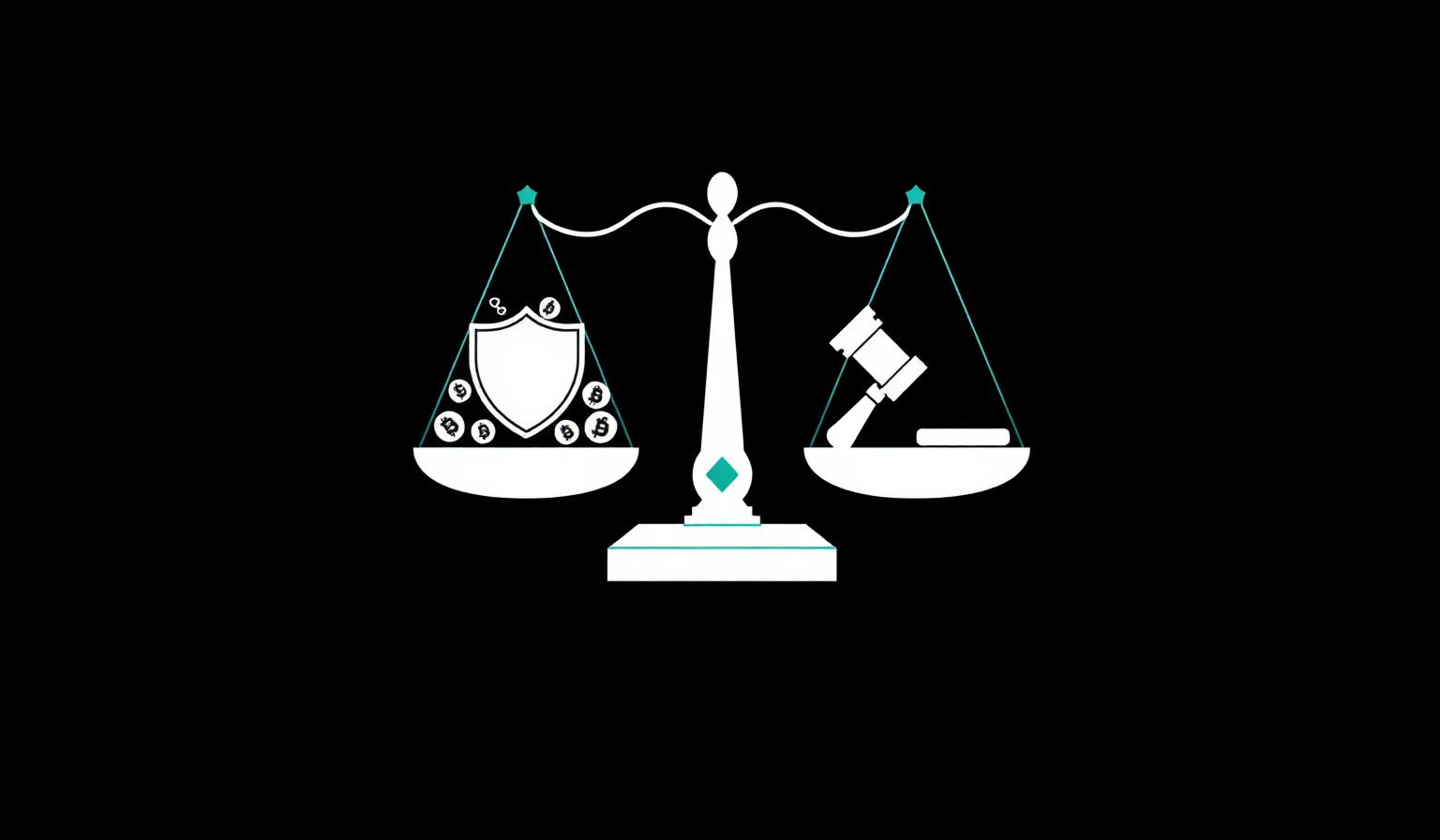
Cryptocurrency was engineered to function permissionlessly — operating across borderless, peer-to-peer computer networks without relying on commercial banks or central governments. Yet over the past decade, financial authorities worldwide have passed an unprecedented array of laws, licensing requirements, and compliance standards governing digital assets.
Why are sovereign governments so focused on regulating crypto? Contrary to popular belief, regulatory policy is rarely aimed at shutting down blockchain mathematics. Instead, governments regulate the bridge points — centralized exchanges, wallet services, stablecoin issuers, and banking gateways — to achieve three foundational goals: protecting consumer funds, preventing illicit financial flows, and securing national tax bases.
In this comprehensive breakdown, CryptoBeacon examines the structural motivations behind cryptocurrency regulation, the primary global regulatory regimes, and what these evolving rules mean for daily investors and self-custody users.
1. The Three Pillars of Financial Regulation
Whenever sovereign nations construct financial legislation, their objective is to maintain systemic stability and prevent public harm. In the context of digital assets, regulatory enforcement centers on three core pillars:
Consumer & Investor Protection
Centralized exchanges, custodians, and lending platforms manage billions in public funds. Regulatory oversight enforces capital reserves, segregated account requirements, and anti-fraud protections to prevent insolvency disasters like FTX and Celsius.
Anti-Money Laundering (AML/KYC)
Because digital transactions can move across borders in seconds without intermediary approval, global financial regulators mandate identity checks (KYC) and transaction tracking (the FATF Travel Rule) to combat illicit finance and tax evasion.
Taxation & Revenue Collection
Tax authorities treat digital assets as taxable property or capital assets. Broker reporting mandates (such as IRS 1099-DA forms in the US) ensure capital gains from crypto trading and staking yield are accurately reported.
2. Major Global Frameworks: EU MiCA vs. US Oversight
Because digital tokens cross international borders instantly, different economic jurisdictions have developed contrasting legal approaches to supervise the market:
European Union — Markets in Crypto-Assets (MiCA)
The EU implemented the Markets in Crypto-Assets (MiCA) framework, providing a single, comprehensive regulatory standard across all 27 member states. MiCA establishes clear licensing rules for Crypto Asset Service Providers (CASPs), mandates 1:1 liquid reserve backing for fiat-backed stablecoins, and enforces strict disclosure standards for token issuers.
United States — Agency Oversight (SEC & CFTC)
In contrast to the EU's tailored legislation, the United States has largely relied on existing 20th-century financial statutes. The Securities and Exchange Commission (SEC) applies the Howey Test to determine whether specific tokens constitute unregistered securities, while the Commodity Futures Trading Commission (CFTC) oversees digital commodities like Bitcoin and Ethereum futures.
FATF — The Global Travel Rule
The Financial Action Task Force (FATF), an intergovernmental anti-money laundering body, introduced the "Travel Rule" for crypto. This requirement mandates that virtual asset service providers (VASPs) share identifying customer data when executing transfers exceeding specified monetary thresholds between institutions.
Executive Policy & Political Shift: Presidential Crypto Policy
Political candidates and executive administrations have placed digital assets at the center of national economic strategy. Discussions surrounding political policy proposals—including a US Strategic Bitcoin Reserve, ending regulatory overreach, and establishing clear federal guidelines—have highlighted how presidential elections directly shape the regulatory environment for major digital assets and global investors.
3. Historical Catalysts: FTX, Terra, and Systemic Risk
Regulatory acceleration is frequently triggered by major market insolvencies and consumer losses. Three defining historical incidents reshaped global regulatory priorities:
- The Collapse of FTX (2022): When FTX, one of the world's largest centralized exchanges, filed for bankruptcy due to misappropriation of customer funds and unsegregated trading bets, global regulators shifted focus from token classification to custodial asset segregation and mandatory proof-of-reserve audits.
- The De-pegging of TerraUSD / Luna (2022): The sudden algorithmic collapse of TerraUSD wiped out tens of billions in market valuation within days. This event prompted central banks to prioritize strict reserve requirements and audit standards for all asset-backed stablecoins.
- Banking Debanking Pressure (Operation Choke Point 2.0): Heightened regulatory scrutiny on crypto-friendly commercial banks led financial institutions to tighten access to fiat bank accounts for crypto businesses, driving exchanges toward strict compliance setups.
4. What Regulation Means for Everyday Crypto Users
While legal frameworks are enacted at institutional levels, they directly shape the daily experience of retail cryptocurrency users:
Opening an account at any compliant exchange requires submitting government identification, proof of address, and facial verification.
Exchanges are legally required to report annual transaction histories to national revenue agencies (such as the IRS or HMRC), making capital gain reporting standard practice.
Because regulated exchanges face operational constraints, many users opt for self-custodial wallets. Understanding safe storage protocols remains essential. Read our guide on "Not Your Keys, Not Your Coins" to learn more.
5. Key Takeaways
- Regulation targets centralized intermediaries (exchanges, custodians, stablecoin issuers) rather than mathematical blockchain protocols.
- The primary motivations for regulation are consumer protection against insolvency, anti-money laundering enforcement, and tax collection.
- Global frameworks differ significantly: the EU uses unified MiCA rules, while the US relies on existing securities laws and agency enforcement.
- Regulation improves platform accountability but does not eliminate market volatility — self-custody and personal security habits remain critical.
6. Frequently Asked Questions
Is cryptocurrency legal globally?
In the vast majority of countries, holding and trading cryptocurrency is completely legal. However, governments enforce regulations on intermediaries like centralized exchanges, custodial wallets, and payment processors to ensure compliance with financial safety standards.
Why do governments regulate cryptocurrency?
Governments regulate cryptocurrency to protect retail consumers from fraud and insolvency, prevent illicit finance (money laundering and tax evasion), maintain financial system stability, and establish taxation rules.
What is the difference between SEC oversight and MiCA regulation?
The US SEC primarily enforces security laws on token issuers and exchanges via litigation and enforcement actions. In contrast, the EU's Markets in Crypto-Assets (MiCA) framework provides a single, comprehensive regulatory licensing framework across all 27 EU member states.
What is KYC and why do crypto exchanges require it?
Know Your Customer (KYC) is an identity verification requirement mandated by financial authorities to prevent money laundering, terror financing, and tax evasion. It requires users to verify their identity with official government documents before trading.
Does government regulation make crypto safer for users?
Regulation reduces operational risks like exchange insolvency, fraud, and misallocation of customer funds by mandating reserve audits and insurance. However, it does not eliminate market price volatility or code-level smart contract vulnerabilities.
How do political election developments affect regulations?
Executive policies, campaign commitments, and presidential policy proposals influence legislative timelines, SEC agency priorities, and market expectations for digital asset reserves.
7. Primary Sources & References
- Financial Action Task Force (FATF) — Guidance for Virtual Assets and VASPs
- European Parliament — Regulation (EU) 2023/1114 on Markets in Crypto-Assets (MiCA)
- U.S. Securities and Exchange Commission (SEC) — Framework for Digital Asset Investment Contracts
Financial & Legal Disclaimer
This article is for educational and informational purposes only and does not constitute legal, tax, or financial advice. Regulatory policies vary significantly by jurisdiction and change frequently. Consult a qualified legal or tax professional for your specific circumstances.