What Is a Crypto Wallet Address? How It Works and How to Use It Safely

Ashir Khan writes about cryptocurrency security, self-custody, macro market analysis, and regulatory policy at CryptoBeacon.
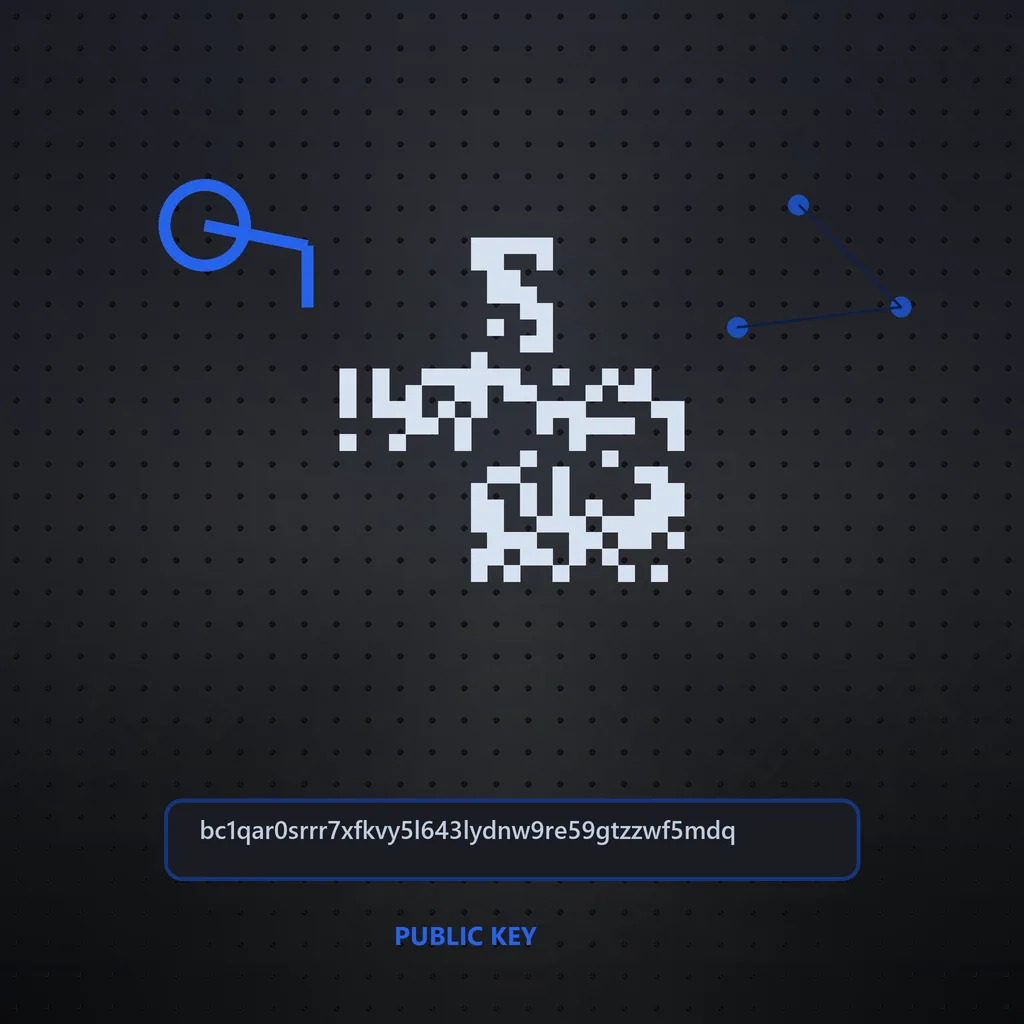
A crypto wallet address is the string of letters and numbers you share with someone when you want to receive cryptocurrency. It looks intimidating at first glance, but understanding what it is — and what it isn't — is one of the most useful things you can know as a crypto user.
This article is educational. It isn't financial advice.
1. What a Wallet Address Actually Is
A cryptocurrency address is a unique identifier derived from your wallet's public key — a cryptographic string that tells the network where to direct incoming funds. Think of it like an account number you can share freely: anyone can send funds to it, but only the holder of the corresponding private key can authorise spending from it.
Unlike a bank account number, a crypto address is generated mathematically from the private key — no central authority assigns it. This means you can generate as many addresses as you need, any time, without anyone's permission.
2. How an Address Is Created
When a wallet is created, it generates a private key — a large random number. From that private key, a public key is derived using elliptic curve cryptography. The address is then produced by applying a hash function (and sometimes additional formatting steps) to the public key. The process is one-way: you can always go from private key → public key → address, but you cannot reverse it to work backwards from an address to a private key.
This one-way relationship is the foundation of why sharing your address is safe and losing your private key is unrecoverable — they're mathematically linked but one cannot be derived from the other.
3. Address Formats by Network
Different blockchains use different address formats. The format is not just cosmetic — sending to an address on the wrong network is a common source of lost funds.
Bitcoin Address Example
Starts with bc1 (native SegWit format) · 42 characters
Ethereum Address Example
Always starts with 0x · 42 characters total
For more on what happens when address formats don't match, see our article on sending Bitcoin to an Ethereum address.
4. Is It Safe to Share Your Address?
Yes — sharing your address is how you receive crypto. It's the equivalent of giving someone your bank account number for an incoming transfer. Your address does not give anyone the ability to spend your funds; only your private key can do that.
What sharing an address does reveal is your transaction history at that address, since blockchain transactions are public. This is a privacy consideration, not a security one — which is why many wallets generate a new address for each receive.
5. How to Use an Address Safely
The most common source of address-related fund loss isn't sharing an address — it's entering or verifying it incorrectly when sending.
Always Copy, Never Type
Addresses are long and a single wrong character sends funds to a different address. Copy directly from the source rather than typing manually.
Verify the Full Address
Some malware replaces a copied address before you paste it. After pasting, compare the full address against the original — not just the first and last few characters.
Use QR Codes for In-Person Sends
Scanning a QR code eliminates copy-paste errors entirely and is the safest method for in-person transactions where the recipient can show you their address directly.
For a full checklist of safe send practices, see How to Send Bitcoin Safely.
Address Anatomy: Quick Summary
What it is
- A publicly shareable identifier derived from your private key
- Different blockchains use different address formats
- Safe to share — cannot be used to spend your funds
What to watch for
- Address errors when sending are generally irreversible
- Always verify the full address before confirming
- Most modern wallets generate new addresses automatically for privacy
Frequently Asked Questions
Is it safe to share your crypto wallet address?
Yes — sharing your address is how you receive funds. It's analogous to sharing a bank account number for incoming transfers. You cannot spend funds or reveal your private key by sharing your address.
Can two people have the same wallet address?
The probability is so astronomically low that it's considered impossible in practice. Addresses are derived from cryptographic keys with an enormous address space — accidental collision has never occurred.
Why does my wallet generate a new address for every transaction?
Reusing addresses makes it easier to link your transaction history to a single identity. Many modern wallets automatically generate a fresh address for each receive to improve privacy, while still being able to access funds received at any previous address.
What happens if I send crypto to the wrong address?
If the address is valid on that network, the transaction succeeds and is generally irreversible. Always verify the full address before confirming — a single character error sends funds to a different address.
Conclusion
A crypto address is one of the first things you encounter and one of the easiest to misunderstand. It's safe to share, impossible to guess from a private key, and the only thing that determines where funds go. The main risk isn't knowing your address — it's entering someone else's incorrectly when sending. Treating address verification as a non-negotiable step every time you send is the single most effective habit you can build.
Sources
- Bitcoin Wiki — Address (how Bitcoin addresses are generated and formatted)
- Ethereum.org — Accounts (how Ethereum addresses are derived from keys)
Financial Disclaimer
This article is for informational and educational purposes only and should not be considered financial or investment advice. Past performance is not indicative of future results.