How to Spot a Crypto Rug Pull

Ashir Khan writes about cryptocurrency security, self-custody, macro market analysis, and regulatory policy at CryptoBeacon.
In the unregulated corners of decentralized finance (DeFi), creating a new cryptocurrency takes less than five minutes and costs only a few dollars in network fees. This low barrier to entry has fueled innovation, but it has also created a golden age for scammers.
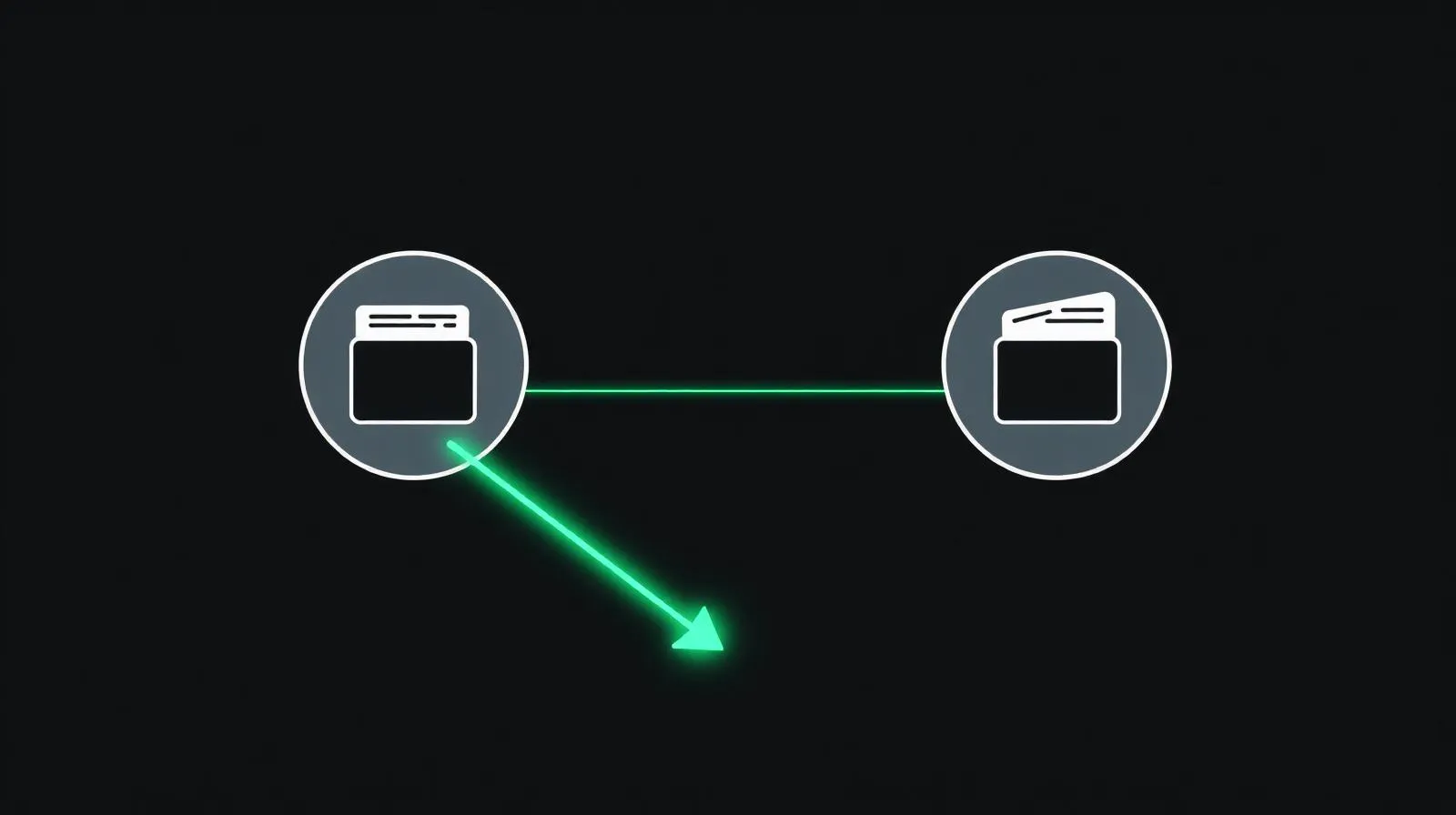
The "rug pull" is the most common scam in crypto. It occurs when developers launch a token, lure in investors with heavy marketing to pump up the price, and then abruptly drain the liquidity pool — vanishing into the night and leaving investors holding worthless tokens. Fortunately, if you know where to look, a rug pull is highly predictable.
I've watched several friends fall victim to these scams because they rushed to buy a token promoted by an influencer without checking if the liquidity was locked. By the time they realized they couldn't sell, the developers had already vanished with the Ethereum in the pool.
1. Red Flag: Unlocked Liquidity
For a new token to be traded on a decentralized exchange (like Uniswap), the developers must supply an initial "liquidity pool" — usually a mix of their new token and a valuable asset like ETH or USDC. This pool allows users to instantly swap their ETH for the new token.
If the developers retain control of this liquidity pool, they can withdraw the ETH at any moment, destroying the ability for anyone else to sell. Legitimate projects use third-partysmart contracts to time-lock their liquidity for months or years. If a new project has unlocked liquidity, a rug pull is almost guaranteed. You can use blockchain explorers or tools like Team Finance to verify if a liquidity pool is genuinely locked.
2. Red Flag: High Wallet Concentration
Using a block explorer, you can see exactly which wallets hold the most tokens. If a single wallet (or a handful of wallets) holds 30%, 50%, or 80% of the total supply, you are in danger of a "soft rug."
Even if liquidity is locked, developers with massive token allocations can simply dump their bags on the open market, crashing the price to near-zero while they walk away with the profits. Be wary of projects where the top 10 holders control a disproportionate amount of the supply.
3. The Sneakiest Scam: The Honeypot
A honeypot looks like a skyrocketing token because the price only goes up. But it only goes up because the smart contract code contains a hidden line that disables selling for anyone except the developer.
You buy in, see the value of your portfolio double, and try to sell — only to get an error message. The only way to detect a honeypot before buying is to read the smart contract code or use automated analysis tools (like Token Sniffer) that scan for malicious code snippets.
4. Red Flag: Deceptive Marketing & Anonymity
Scam tokens rely on artificial hype. Look out for projects that rely heavily on paid influencers, use massive bot armies to spam Twitter or Telegram, and promise unrealistic, "guaranteed" returns.
Furthermore, while anonymous founders are common in crypto, an anonymous team launching a token with unlocked liquidity and flashy marketing is a massive red flag. If they steal the money, there are no reputations to ruin and no doors for law enforcement to knock on.
Frequently Asked Questions
What exactly is a 'rug pull'?
A rug pull is a type of scam where developers launch a new crypto token, pump up the price with marketing, and then abruptly abandon the project — taking all the investors' funds with them.
If liquidity is locked, is the project safe?
Not necessarily. While locked liquidity prevents the developers from draining the trading pool, they could still execute a 'soft rug' by dumping their massive allocation of developer tokens on the market.
Can I recover funds lost in a rug pull?
Unfortunately, almost never. Once the funds are drained from the smart contract, they are moved to anonymous wallets and are practically impossible to retrieve.
Are meme coins more likely to rug pull?
Yes. Because meme coins rely entirely on hype rather than utility, they are the most common vehicle for rug pulls. Anyone can create a token for a few dollars and start marketing it.
Conclusion
The lure of finding the next 100x gem causes many investors to ignore obvious red flags. By checking for locked liquidity, analyzing wallet distribution, and avoiding projects driven purely by paid hype, you can sidestep the vast majority of rug pulls that plague the crypto ecosystem.
Sources & Further Reading
Financial Disclaimer
This article is for informational and educational purposes only and should not be considered financial or investment advice. Past performance is not indicative of future results.