
Hot Wallets vs. Cold Wallets: Which is Right for You?

Ashir researches and writes about crypto self-custody and security at CryptoBeacon, helping readers understand how to safely store and manage their digital assets.
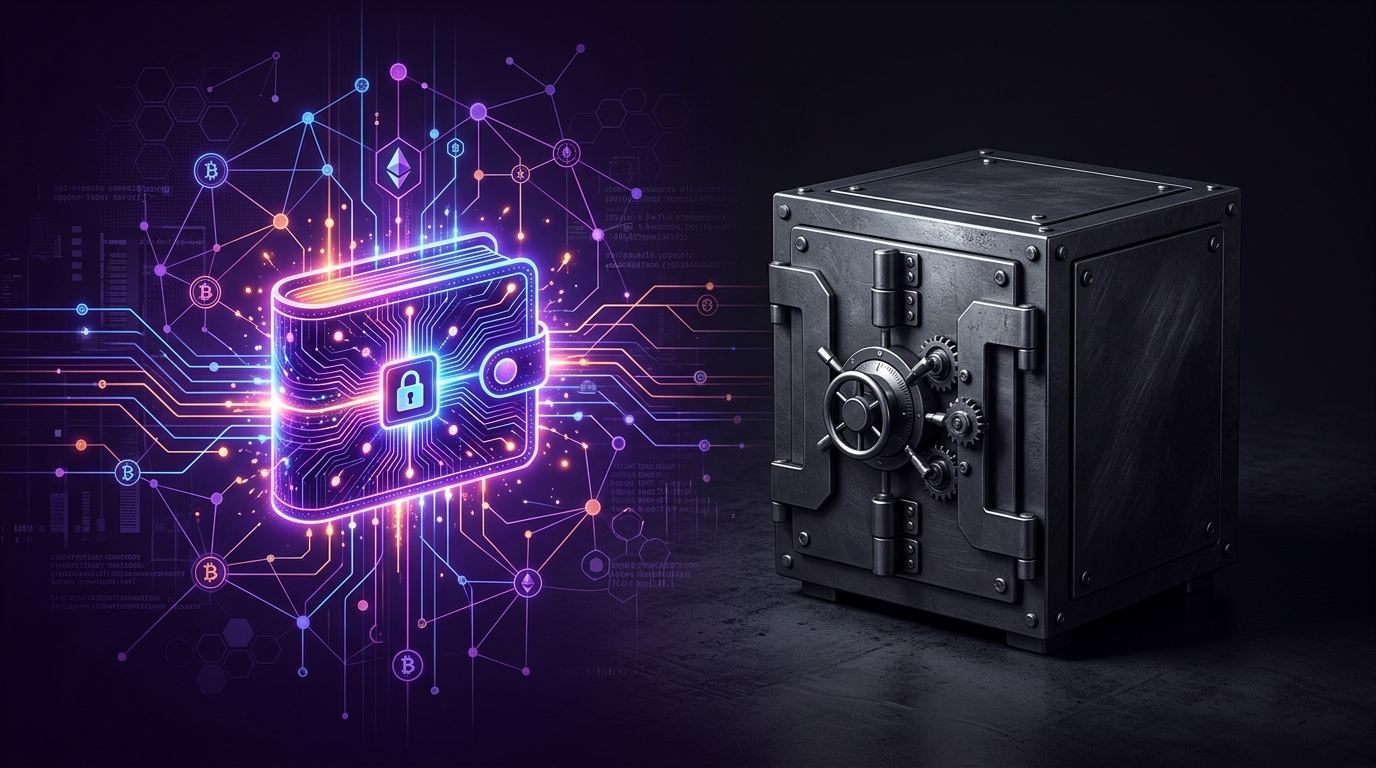
Self-custody—holding your own private keys—is the foundational ethos of cryptocurrency. But once you decide to take your crypto off an exchange, you are faced with a critical decision: should you use a hot wallet or a cold wallet?
The choice comes down to a fundamental trade-off between daily convenience and institutional-grade security. This guide explains the differences, the risks, and the best practices for structuring your crypto portfolio.
This article is educational. It isn't financial advice.
What is a Hot Wallet?
A hot wallet is any cryptocurrency wallet that is connected to the internet. This includes software wallets installed as browser extensions (like MetaMask or Rabby), desktop applications, or mobile phone apps (like Trust Wallet or Phantom).
Because hot wallets are always online, they are incredibly convenient. You can execute trades, interact with decentralized finance (DeFi) protocols, and mint NFTs in seconds.
However, this internet connectivity is also their greatest vulnerability. Because the private keys (the cryptographic passwords that control your funds) are stored on an internet-connected device, they are susceptible to malware, keyloggers, and remote hacking. If you accidentally download a malicious file or install a compromised browser extension, hackers can extract your private keys and drain your hot wallet entirely.
What is a Cold Wallet?
A cold wallet (often synonymous with a hardware wallet) is a physical device—usually resembling a USB thumb drive—that stores your private keys completely offline.
When you want to send a transaction using a cold wallet, you plug the device into your computer. The transaction data is passed from the computer to the device, the device signs the transaction internally using the offline private keys, and then passes the signed transaction back to the computer.
The critical security feature here is air-gapping (or logical isolation). The private keys never leave the physical device and are never exposed to your computer's operating system or the internet. Even if your computer is deeply infected with malware, the hacker cannot extract your private keys because they simply aren't there.
The Hybrid Approach: Best of Both Worlds
In traditional finance, you don't carry your life savings in your physical leather wallet; you keep a small amount of cash for daily expenses and leave the rest in a secure bank vault. You should treat cryptocurrency the exact same way.
Security experts strongly recommend a two-tiered approach:
- The Vault (Cold Wallet): Store the vast majority of your portfolio (90%+) here. Use this exclusively for long-term holding. Never connect this wallet directly to random DeFi websites or minting pages.
- The Pocket Money (Hot Wallet): Keep a small amount of funds here for daily trading, paying gas fees, and exploring new dApps. If you make a mistake and this wallet is compromised, your main stack remains completely safe.
FAQ
Can a cold wallet be hacked?
It is extremely difficult to remotely hack a cold wallet because its private keys never touch the internet. However, if someone gains physical access to the device and its PIN, or if you accidentally type your seed phrase into a phishing website, your funds can still be stolen.
Should I keep all my crypto in a cold wallet?
Most security experts recommend keeping the vast majority (e.g., 90%+) of your portfolio in a cold wallet for long-term storage, and only keeping a small amount in a hot wallet for daily trading or decentralized application (dApp) interaction.
Are exchange wallets hot or cold?
When you hold funds on a centralized exchange (like Coinbase or Binance), the exchange controls the private keys. While they keep the bulk of customer funds in cold storage for security, the wallet interface you interact with functions like a hot wallet. Remember: not your keys, not your coins.
Sources
- Bitcoin.org — Choosing a Secure Wallet
- Ethereum.org — Ethereum Wallets Guide
- Ledger Academy — What Is a Hardware Wallet?
Financial Disclaimer
This article is for informational and educational purposes only and should not be considered financial or investment advice.